The CNM dating app market in 2026 is in a strange place. The specialist platforms that understood the community earliest are well-established but stagnant. The mainstream apps are belatedly adding CNM features without understanding what CNM users actually need. And the lifestyle platforms that dominated the swinging world a decade ago are in unmistakable decline.
None of this is catastrophic. CNM people have always navigated imperfect tools. But it's worth mapping where things actually stand, not based on press releases or app store rankings, but on what the platforms are doing and what users are experiencing.
Feeld: still dominant, increasingly comfortable with that
Feeld remains the default answer to "which app should I use for CNM?" in most cities, for most relationship structures. That position is well-earned: the app was purpose-built for non-monogamy, and its user base self-selects accordingly in a way that no mainstream platform has replicated.
But Feeld in 2026 is a company that knows it's the category leader, and that knowledge is visible in the product. The verification gaps that have been present since the beginning remain unaddressed. The moderation is inconsistent enough that experiences vary dramatically between users. The premium tier, Majestic, extracts meaningful money for features that should arguably be standard. None of this has materially dented Feeld's dominance, because there's nothing meaningfully competing with it for the same users.
The network effect is the moat. When everyone you know who does CNM is on Feeld, you use Feeld. Feeld doesn't need to solve its problems as long as it maintains that position, and it's maintaining it comfortably.
The mainstream apps' CNM pivot: well-intentioned, mostly wrong
Over the past two years, several mainstream dating apps have made visible moves toward CNM users. Relationship structure fields, partner linking, "open to non-monogamy" filters, the infrastructure exists now on platforms that didn't have it before.
The problem is that these features are bolted on to products designed around fundamentally different assumptions. Hinge's entire product philosophy is oriented toward serious monogamous relationships, "designed to be deleted" is a meaningful statement about what the app thinks dating is for. Adding a "non-monogamous" relationship type field doesn't resolve the underlying friction between that philosophy and what CNM users actually need.
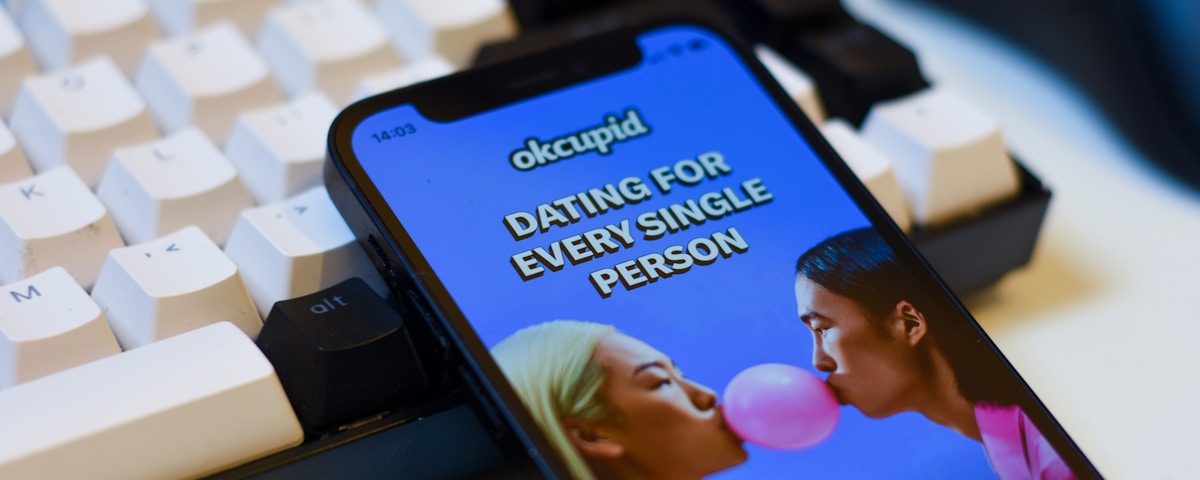
OkCupid is the meaningful exception. Its long-standing commitment to compatibility matching, detailed profiles, and explicit CNM configuration options makes it genuinely useful in a way the others aren't. OkCupid for CNM is a real option, not a token gesture. The gap between OkCupid and the field is large.
For everyone else, Hinge, Bumble, Tinder, the CNM additions are primarily marketing. They signal inclusivity without meaningfully changing the experience for CNM users. Run them as supplements in markets where Feeld is thin. Don't expect them to do what Feeld does.
The lifestyle platforms: a market in managed decline
SLS (SwingLifeStyle) and, to a lesser extent, Kasidie represent a category of platform that built dominant positions in the swinging and lifestyle community through the 2000s and early 2010s and hasn't meaningfully evolved since.
SLS in 2026 is a product in visible decay. The UX is dated, the moderation is inconsistent, and the technical infrastructure shows its age in ways users feel. The network still has value in regions where SLS built deep roots, there are communities where SLS is genuinely the right answer, but as a default recommendation, it's increasingly hard to justify.
Kasidie is holding steadier. It's not growing, but it's not declining as visibly either. The community depth in its strongest markets remains real. For swinging-oriented users in North America, Kasidie is still a reasonable choice even if the product hasn't evolved to match where the broader market has gone.
Fab Swingers is the outlier, a UK-focused platform that has continued to improve and genuinely holds its community's trust. If you're in the UK lifestyle scene, Fab Swingers is the obvious starting point. It doesn't translate well internationally, but it doesn't need to.
The queer CNM market: underserved and working around it
Gay and bi men have always been ahead of the mainstream CNM curve, largely because Grindr normalised non-monogamy before the term entered mainstream dating discourse. Open relationships are a standard profile field. The community has built its own norms around CNM disclosure that function better than anything the heterosexual mainstream has developed.
For queer women and non-binary people, HER has become the de facto platform, not because it's built specifically for CNM, but because its user base normalises it. The absence of an explicit CNM infrastructure matters less when the social context is already permissive.
The gap that remains is for queer people who aren't well-served by either the gay male platforms (Grindr, Scruff, Recon) or the broadly queer women's platform (HER). Bi and pansexual people in particular often find themselves navigating platforms that weren't designed with them in mind, patching together a workable approach from tools designed for adjacent but distinct communities.
What's actually missing
After reviewing the market, the gap that stands out most clearly isn't features, it's verification and safety infrastructure. No platform in the CNM space has built a verification system that meaningfully distinguishes authentic users from fake profiles and bad actors. Feeld's verification is optional and minimal. The mainstream apps' verification is similarly light. The lifestyle platforms are inconsistent.
This matters more in CNM than in mainstream dating because CNM users often need to share more context about their relationship structures, desires, and situations before a connection becomes viable. That context requires trust. Trust requires some baseline of verified identity that the current market doesn't provide.
It also matters because CNM users, particularly women and non-binary people, experience the same safety concerns as all dating app users, compounded by the additional context that comes with non-monogamous relationship structures. The standard app safety features weren't designed with CNM in mind, and the gap shows.
The platform that solves this, not with lip service, but with real identity verification, effective moderation, and safety infrastructure designed for the specific context of CNM dating, would have a genuine competitive advantage. It doesn't exist yet in any mature form.
The short version
Use Feeld as your primary platform in most markets. Add OkCupid if you want the compatibility matching layer. Add whichever mainstream app has active users in your city if Feeld is thin. For the lifestyle community, Kasidie in North America or Fab Swingers in the UK. For gay and bi men, Grindr and Scruff alongside Feeld. For queer women and non-binary people, HER alongside Feeld.
None of this is likely to change dramatically in the near term. The market is mature enough that the platform positions are fairly stable. What could disrupt it is exactly what's missing: a platform that takes safety and verification seriously enough to earn the trust that all the existing platforms are coasting on.